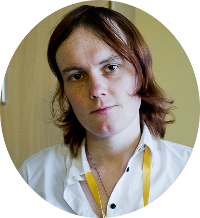
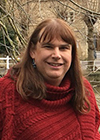
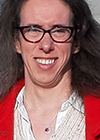
Much will, I am sure, be written about the results of the 2019 general election and there is little to add to that. Anyone standing for election, no matter who they are, is going to be affected more by the fortunes of their party as a whole than by individual situations. With a better than expected showing for the Tory party in England and Wales and for the SNP in Scotland, the lack of trans/non-binary candidates from either party meant a poor showing in the General Election.
One brief note is needed: Some sources have reported ten trans/non-binary candidates. However, I have not been able to independently verify details of the tenth candidate so they have not been listed here yet.
It’s 4pm, which means it’s the snap general election nominations deadline! Given there are at least three journalists I know of writing stories about trans candidates in the election, this post will be a not-so-exclusive reveal of who is openly standing as a trans or non-binary candidate.
The first thing to note is that, compared to the nine candidates who stood in 2017, this is a shorter list. There are several obvious reasons for this – firstly, there may be last-second candidates who have not made it on to the list yet and names often come out after the deadline. As predicted, two more candidates came to light after the initial publication of this post – taking the total number up to eight, close to the record of nine from 2017.
And finally, there is the recent upsurge in unpleasantness in politics that particularly targets women, BAME and trans people. The Press Association have interviews with various candidates on this topic which is worth a read but I don’t believe it is any coincidence that there are yet again no BAME trans people or trans men appearing here.
In 2017, rather than perform any particular analysis of people’s chances (Which would have involved me pointing out my own campaign was hopeless) I simply listed the swing required and let people draw their own conclusion. But now that I am not only not a candidate but also not a member of any political party I can be a little more direct about the likelihood of a trans MP in Westminster on 13th December.
And it’s not looking great, but it’s better than it has been before.
Most of these seats are what party HQs like to call “development seats” but more resemble black-holes that will get little to no outside support and may struggle to retain their deposits. The one seat where bookmakers will even take your money and give you anything other than a fifty-to-one outside chance is Helen Belcher’s Chippenham seat, where at the time of writing the betting market has her down as a seven-to-four, or about a one-in-three chance of winning.
As is often the case in politics, her success is more likely to depend on how the Liberal Democrats perform overall in the campaign, but if you are going to stay up to watch any seat this is the one to keep an eye on.
It has been a few months since the local elections, but my usual post on what that means for trans politicians has been delayed by health and other political activities. But with today being the closing day for nominations for the forthcoming snap general election and politics on everyone’s minds – whether they want it to be or not – it’s a good time to look back at the last set of elections.
But before we do that, in the interests of completeness there was another election of particular interest in September 2018. A local Labour councillor in Cambridge resigned from both the council and her party after it emerged the Labour-run council could not block trans people from using toilets appropriate to their gender. This triggered a by-election in Petersfield Ward, Cambridge – which some may recognise as being the ward previously held by trans councillor Sarah Brown.
The result was, perhaps, never in much doubt with Petersfield having been a comfortably Labour ward for some time. But local Labour activists will not have been particularly happy to see the 16% rise in the LibDem vote in a supposedly safe seat.
Sarah Brown Cambridge, Petersfield Ward September 2018 by-election
2nd place, 36.4%
+16.4% from May 2018
Winners majority: 11.5%
(Link to source)
Sadly, that was not the end of the saga. Under pressure from anti-trans activists on Twitter, Cambridge City Council later rolled back protections for trans people that had been in place since the days of the Liberal Democrat administration.
Moving on, let’s remind ourselves of the situation prior to the elections. There are more trans people holding public office than are listed here but the focus is, as ever, on people who are openly trans at principle council level or above.
Six openly trans people held office, a record, but whatever happens three will remain in office after the elections as their terms have some time to run. That leaves three people standing down or standing for reelection – Kirk-Robinson in Bolton, Larkins in Thanet and myself.
Osh Gantly Islington, Highbury East Ward
Term expires May 2022
Zoë Kirk-Robinson Bolton, Westhoughton North & Chew Moor
Term expires May 2019
Sarah Larkins Thanet, Eastcliff Ward
Term expires May 2019
Gregor Murray
Dundee, North East Ward
Term expires May 2021
Anwen Muston Wolverhampton, East Park Ward
Term expires May 2020
Zoë O’Connell Cambridge, Trumpington Ward
Term expires May 2019
Of those, only Kirk-Robinson and Larkins were re-standing. Larkins had originally stood under the UKIP banner but a breakup of the council group in 2018 means she was standing this time as a member of “Thanet Independents”.
Also in the running for council seats were Brown, standing again in Petersfield and Kirk who again is an experienced candidate in Bolton. Finally, Pascoe stood in the European elections on the same day.
The relative lack of first-time openly trans candidates is almost certainly due to recent hostile media about trans people coupled with a general decline in the tone of political debate, which as we saw in 2018 led to candidates being targeted both online and offline. This will certainly have lead to openly trans people being reluctant to stand, and those who are not out to remain “closeted” and instead focus on the election.
More worryingly for diversity, no BAME, trans men or non-binary people appear on our list. Hopefully, this is an aberration and we will see some excellent diverse candidates and office-holders in future years.
Sarah Brown Cambridge, Petersfield Ward May 2019
2nd place, 29.2%
-7.2% from by-election
(Link to source)
Sue Pascoe European Parliament Yorkshire and the Humber
6th on party list
7.2% (-12.0% from 2014)
No party candidates elected (Link to source)
On the day, none of the candidates were successful, reducing the number of openly trans elected politicians down to just three. In most cases, this was not a surprising result. Petersfield and Farnworth wards were clearly not targeted seats, and whatever happened in the European Elections, no party was likely to gain their 6th place in Yorkshire and the Humber. And Larkins was always going to struggle to hold her place in Thanet, given the breakup of the UKIP group.
The one surprise, however, was Bolton. Despite a small net increase in seats for the Conservative group, a surge in the independent and LibDem votes across the town resulted in Kirk-Robinson being the only sitting Conservative councillor to lose her seat.
Following his comments earlier today, I’ve just fired off the letter below to Vince Cable. I think it speaks for itself.
Dear Vince,
I would like to express my concern regarding comments made by you today regarding possible alliances with The Independent Group, especially comments made this afternoon on the BBC that the group “shares many of our values”.
The very first line of their values talks about the first duty of government being “to do whatever it takes to safeguard Britain’s national security”, a clear dog-whistle anti-civil-liberties and anti-immigration statement.
Its members now includes people such as Joan Ryan, (Founding director of “Labour No to AV” and one of ministers responsible for ID cards) Chuka Umunna, (Staunch opponent of free movement) Mike Gapes (Pro-Iraq war, even post-Chilcot) and Gavin Shuker who has, at best, questionable views on LGBT equality.
These are publicly expressed views of those MPs, not merely a few votes where they have been whipped to follow the party line despite personal reservations.
There are indeed some members of TIG who appear to share our values. That includes Heidi Allen and Sarah Wollaston, who might not just make great allies but might well be at home within our party. And I would certainly encourage working with other MPs on an issue-by-issue basis, for example, to revoke Article 50 and stop Brexit.
However, neither a suggestion they “share our values” as a group nor any national alliance with TIG as a whole at the ballot box will further the cause of liberalism in this country.
When I first started documenting trans people who had stood for elected office, the aim was simple. Demonstrate to those interested in putting themselves forward for public office that being trans and non-binary is no longer a big deal.
With the record number of openly trans and non-binary candidates standing in 2016, it very much appeared that mission had been accomplished – and not just in terms of candidates, but also those having been elected, with the total currently standing at five. As a reminder, here is the list prior to the local elections. Gantly was first elected in 2014, but only transitioned recently so is new to this list but the others will be more familiar names to regular readers.
Osh Gantly
Islington, Highbury East Ward
Term expires May 2018
Zoë Kirk-Robinson
Bolton, Westhoughton North & Chew Moor
Term expires May 2019
Sarah Larkins
Thanet, Eastcliff Ward
Term expires May 2019
Anwen Muston
Wolverhampton, East Park Ward
Term expires May 2020
Zoë O’Connell
Cambridge, Trumpington Ward
Term expires May 2019
Sadly, this year, that changed.
The list below was compiled back in April, after the close of nominations for the local elections. But in discussion with several candidates, people expressed fears that the current media frenzy around trans people would result in them being targeted for harassment at a time which is already stressful and hectic for any candidate. There were also worries that anti-trans campaigners would try to interject in online social media conversations with (potential) constituents, something that has happened to MPs before now.
So, because I value accuracy and did not want to publish a partial list, the publication was delayed until after the election.
And unfortunately, those fears were not unfounded. On polling day, Sarah Brown was subjected to abuse on social media after featuring on a list of LGBT candidates put out by LGBT+ Liberal Democrats. No LGB candidate was targeted in the same way.
It has since been revealed that transphobes targeted the same twitter account for vexatious complaints to try to have it shut down in retaliation for supporting trans people – an attempt that failed, with one conspirator forced to admit they could not actually find any objectionable content about which to complain.
Elsewhere, local “thugs” paid a visit to the house of a sitting Conservative trans councillor and her partner, who was also a candidate that year. It is unclear if the timing was a coincidence or not.
Hopefully, next year the storm will have passed and we can return to the usual schedule. The actual results on the day were somewhat less dramatic than the rhetoric in the media around trans people. There were no major shifts in the vote and nobody new was elected, and Gantly comfortably retained her seat on Islington Borough Council.
* Some elections were “all-ups” where voters are entitled to multiple votes and multiple candidates are elected. Percentages are based on the proportion of valid ballot papers which included a vote for the candidate rather than the total number of votes cast.
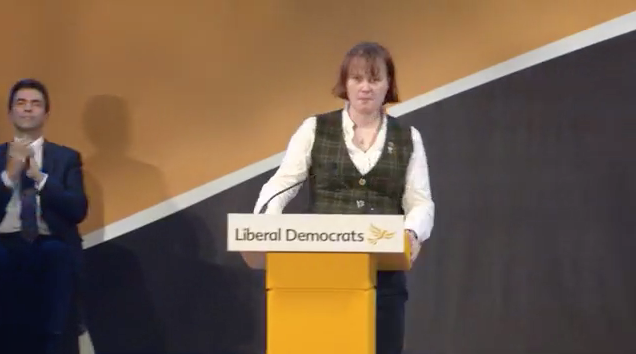
I was lucky enough to be able to speak at the opening of Liberal Democrats conference last weekend, the 30th anniversary of the foundation of the party. The topic I spoke on was the history of LGBT+ equality campaigning in the party – something that actually predates the 1988 merger by some time, as the old Liberal Party was progressive and including even in the 1970s. Here’s the speech I gave.
Good Evening! For those who don’t know me, I’m Zoe O’Connell – amongst other things, I’m a councillor on Cambridge city council.
But the reason I’m up here today is because I am also on the executive of LGBT+ Liberal Democrats.
And, as you’ve already heard, this year is a special anniversary.
An anniversary of something really, really… bad.
I can see a few staff members near the front looking worried now. Don’t worry, I’m not talking about the formation of the Liberal Democrats!
No, I’m talking about the 24th of May, 1988. The Conservatives implementing section 28, banning any mention of homosexuality in schools. Leaving a generation of frightened LGBT kids with nowhere to turn.
Liberals back then were determined folk – just as many of us are now – and were not going to waste any time. After all, the old Liberal Party had already included full equality in their 1979 general election manifesto so many in the newly formed Liberal Democrats were already well on board.
And they didn’t let being busy with the formation of a new party slow down their campaigning.
Just nine days after the party was formed, Simon Hughes MP – was amongst those standing up in the Commons, speaking out against section 28.
Thirty years on. What’s changed?
In terms of a liberal commitment to LGBT rights, not much.
Our party had started as it meant to carry on – there’s a reason the motto of LGBT+ Liberal Democrats is “Always Been There For You… and Always Willâ€.
There have been many campaigns along the way. Equalising the age of consent. Opposing the ban on men who have sex with men – and their partners – giving blood. Civil Partnerships. The first Gender Recognition Bill in 1996.
But the highlight of 2013 for many was a bill championed from within the Home Office by Lynne Featherstone.
Same Sex Marriage.
There were highs and lows along the way. Watching their Lordships debate what constituted consummation of a gay marriage was… enlightening.
And for the lows there was the predictable roll call of usual suspects spouting homophobic…
…well, it’s the rally, I’m not allowed to swear! Unfortunately, there are some ways in which other parties have not changed in the last 30 years, either.
But liberals won.
Liberal Democrats, in government, doing what Liberal Democrats do best.
Delivering on equality.
From the exhilaration that followed same-sex marriage, you might think the fight is over.
Sadly not. The need for liberals in parliament is as strong now as it was back in 1988.
LGBT asylum seekers still face intrusive and wholly inappropriate questioning, and end up being sent back to countries where they face persecution, imprisonment… even death.
And we are now seeing battle over equality for trans people hit the headlines.
That’s ahead of a consultation on trans equality later this year, and eventually a debate in parliament.
I already know which side Liberal Democrats will be on.
The right side.
We were ahead of history.
We are ahead of history.
I hope you’ll help us stay ahead of history.
Thanks for being here, and I hope you have a great conference.
Good news! Brexit won’t be happening in our lifetimes!
At least, that’s the best conclusion I can draw from recent news.
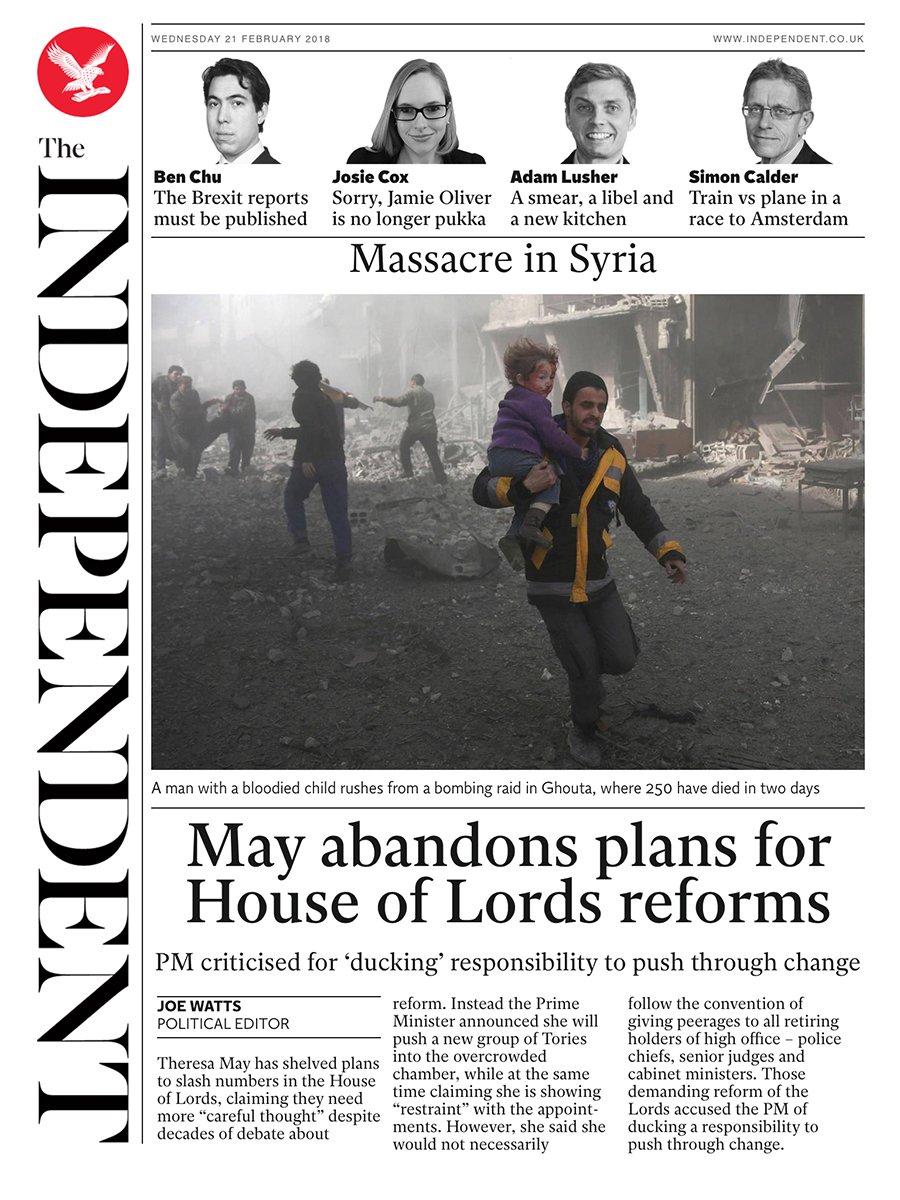
It has been 19 years since the House of Lords Act 1999, which abolished most of the hereditary peers*. Phase 2 of those reforms was due to introduce elected members of the Lords, but despite the Wakeham Report being published in 2000 we are still waiting.
A widely recognised problem with a simple and democratic solution.
But Theresa May wants more time to think about it. 19 years is not long enough for the level of “careful thought” regarding such obvious reform.
Compare this with Brexit. A complicated piece of work, with no obvious solutions to problems like the Good Friday agreement, Gibraltar, Trade. And over which the country is deeply divided.
My best guess is that the thinking time for that will be at least 100 years.
*Fun Fact: Hereditary Peers are the largest group of elected members in the House of Lords, followed by the CofE Bishops and then Liberal Democrats. The caveat is that in every case the electorate is quite small – the remaining hereditary peers elect each other, and the Bishops are elected by various Synods.
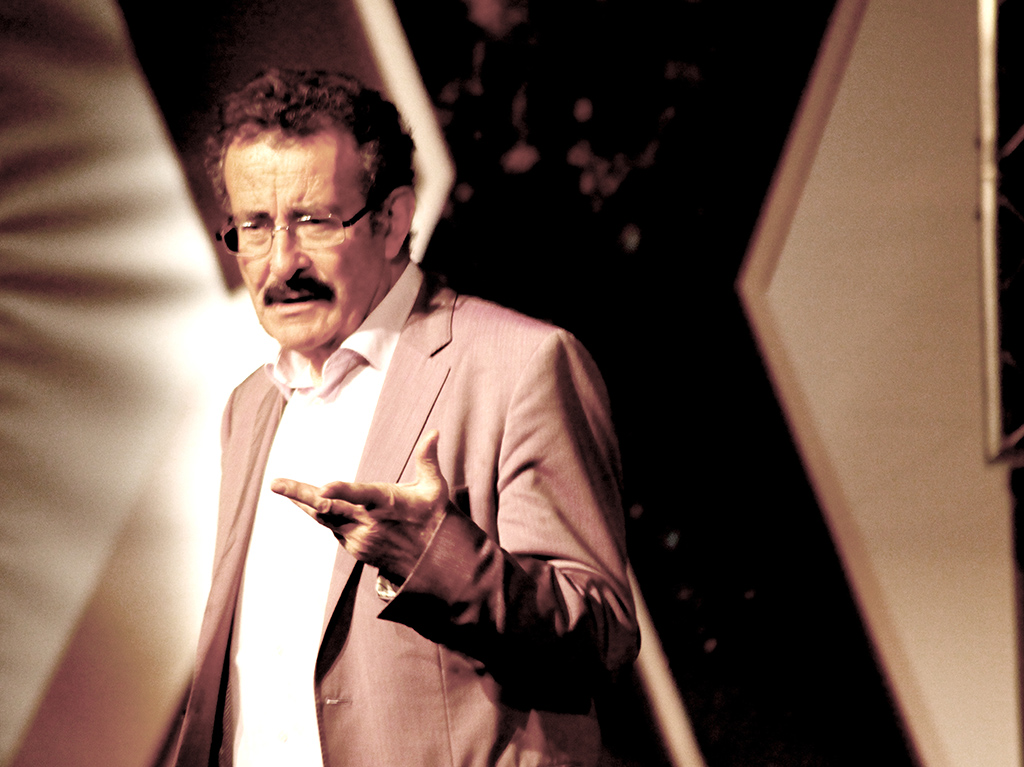
On Wednesday morning, Profesor Robert Winston made some wild claims regarding trans people on BBC Radio 4’s “Today” programme. He talked about “horrific” surgeries, extremely high surgical complication rates and linked this to a high level of regret. For those not familiar with the topic this might sound like solid science from a respected personality.
It’s not science.
One possibility is that he’s just clueless about the topic. After all, he’s a fertility rather than gender specialist. Another option is that he’s dishonestly using statistics to engage in scaremongering based on a political, not scientific, viewpoint.
Winston made equally wild claims about cycle lanes causing pollution last year. He didn’t say what paper he was referring to so he couldn’t be fack checked. This time, he sourced his claims the following day via Twitter and the article is available online for a fee.
One of Winston’s statements on Radio 4 was that there are complications in about 40% of trans surgeries. That figure does not appear in the paper. It actually says the complication rate is 32.5%, but we also get into confusion over terminology.
You see the same confusion with “elective” vs “emergency” surgery. These are medical terms with specific meanings not apparent to the layperson, and elective just means it was scheduled in advance, but it can still be life-saving surgery. And if you worry about such things, don’t ever read the patient information leaflet for Ibuprofen. Apparently, it causes heart attacks.
Someone as senior as Winston is no doubt aware of the possibility of confusion when using technical terms. But he wants us to believe trans surgery is terrible, so he abuses this confusion and talks about complications then moves on to “horrific” surgeries. He leads the listener to believe that all complications are “horrific” and many surgeries have unwelcome results.
They don’t.
Most complications are minor, and might not even register with the patient as a complication. For example, nearly half (44%) of the complications in the study are “Meatal Stenosis”. These form the bulk of the 21.7% “reoperation” rate, largely from one German study (The paper is available for free, but contains graphic genital surgery images not suitable for an office environment) It might sounds serious and make it seem like SRS is Germany is very dangerous. However, in lay terms, it means “you probably piss in a funny direction, or dribble a bit”. The fix is minor in most cases and might not even need an operation. The Germans seem to use a two-stage technique, so appear to be unfussed by needing “re-operation” – they have already scheduled a second-stage operation.
Some things can go wrong of course, as with any surgery, but most of the “complications” are in this vein or even more minor. A bit more bleeding than was expected or some tissue granulation.
Now we get into issues of individual agency. If the patient understands the possible consequences of a treatment and has given informed consent, isn’t that OK? Even with the scary prognosis Winston paints, it’s better than the alternative of a lifetime on Spironolactone or Zoladex. And that’s before we worry about the mental health issues involved.
I am a liberal, and I believe firmly in individual agency. It is entirely possible Winston has a more authoritarian view on this. But without knowing his views on similar issues such as abortion and the right-to-die, I don’t know what his outlook is.
Having planted the scary 40% figure in people’s minds, Winston then goes on to conflates regret with surgical complications. Signal boosting stories of regret and framing the debate to exaggerate regret rates is sadly a common anti-trans media tactic right now. However, trans surgeries have one of the lowest regret rates of any surgery – recent studies report it as being around 1-2%, with a meta-study looking at papers all the way back to 1960 when surgical techniques were less developed still only places the figure at 2.2%. For comparison, surgical regret rates for prostate surgery was a whopping 47% in one study. Another paper found that breast cancer surgery had a 24% regret rate.
Finally, the programme was nominally about trans children.
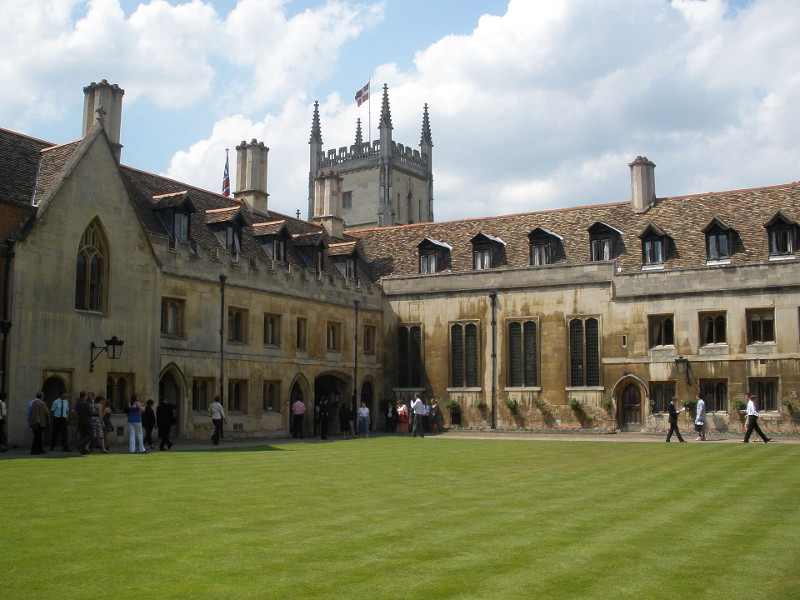
Last night, I gave a talk at Pembroke College as part of Cambridge Hub’s Michaelmas Series. The topic was censorship.
This morning, I woke up and saw that the headline story in The Times is Jo Johnson, the Secretary of State for Education, wanting to “guarantee free speech” at universities.
It is worth noting there is already a law that ensures freedom of speech at universities, but it would seem that Johnson wants even more extreme guarantees. The existing law is not invoked or referenced when we have one of the regular fusses about high-profile figures having their right to free speech violated. That is because they are not being censored.
Despite existing free-speech laws, there is already quite a bit of censorship at our Universities, and it comes from two sources. Neither form is good, and neither should be extended. Paradoxically, increasing the latter of these two forms of censorship is precisely what Johnson’s proposals will do.
The first is the PREVENT duty. That duty is supposed to target all extremism that leads to terrorism. Controversially, it usually ends up targeting Islamic and other non-white forms of extremism. In a university context, it is used to question room bookings and the nature of invited speakers. I doubt Islamic societies at universities will be welcoming Johnson’s statement today. It is unlikely the duty will be relaxed in support of “free speech”.
The other source is the de-facto censorship of students and student protest against influential media figures.
Wikipedia says censorship is “the suppression of speech, public communication, or other information”. I have mentioned PREVENT, and there’s no doubt that duty involves censorship even if there is disagreement over the desirability of PREVENT overall. China censoring WeChat is an example of that most in the West would regard as negative, and we have also seen cases within LGBT+ communities of censorship gone wrong with unintended consequences.
There is a common theme in those cases. Positive or negative and deliberate or accidental, it is those with power doing the suppression.
What is not censorship is selling only eight tickets to an event and having the venue cancel, as happened to Kate Smurthwaite. Smirthwaite seems to believe “free speech” means she can demand people listen and that venues give her a free platform. Consequently, she used her media contacts and influence to spin a story about how students were suppressing her free speech. The publication of her ideas was undoubtedly not restricted as a result. Quite to the contrary, the resulting media fuss and claims to martyrdom at the altar of free speech gave her an even more prominent platform.
Peter Tatchell was not censored when a student learnt he was due to speak at the same event as her and pulled out. She did not want to share a platform with someone she believed is racist and transphobic. Her withdrawal was not public, but Tatchell’s outrage at being unable to demand the energy of someone less powerful was. He used every possible media outlet he could muster to denigrate her.
A particular shout out needs to go to Julie Bindel at this point, who has repeatedly claimed to be censored herself but has just resorted to issuing legal threats against Brooke Magnanti, a.k.a. Belle De Jour. It is not surprising that Bindel’s claims have not received any media coverage condemning her attempts at silencing. There is a common theme running through these claims of censorship against media figures. Allegations are always targeted at those with less power.
There is a chilling effect hidden within these false claims of censorship, however. Those whom the allegations target become figures of derision in the press with no way of responding. They do not have their voices heard. I was at the event held in parallel to Greer’s Cambridge Union slot, and I know several of the students involved felt traumatised by resulting coverage. They are less likely to now engage in activism.
Media outrage is increasingly invoked to shut down legitimate free speech rights such as protest and running petitions. It happens merely because high-profile disagree with protests or feel threatened.
Ratcheting up that rhetoric will only increase the pressure on students to conform. Contrary to what Johnson believes it will not broaden the minds of young people. Instead, it will teach them that the powerful will not tolerate criticism.
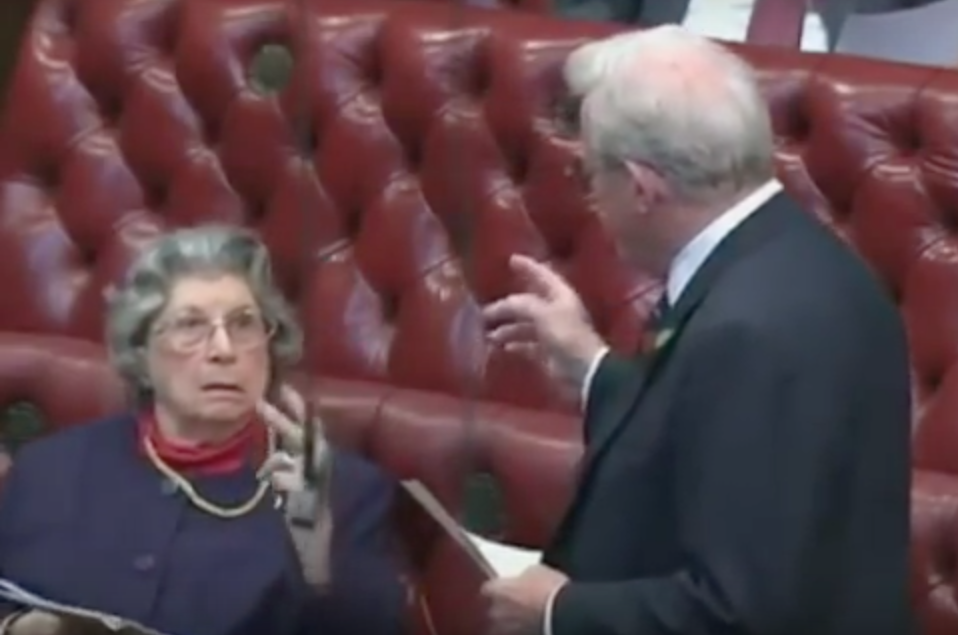
There has been some press coverage today of another proposal on Lords retirements, this time to limit the length of service to 15 years. This isn’t the first time this has been proposed, and something similar with a ten year limit was part of Liberal Democrat ideas for House of Lords reform during coalition.
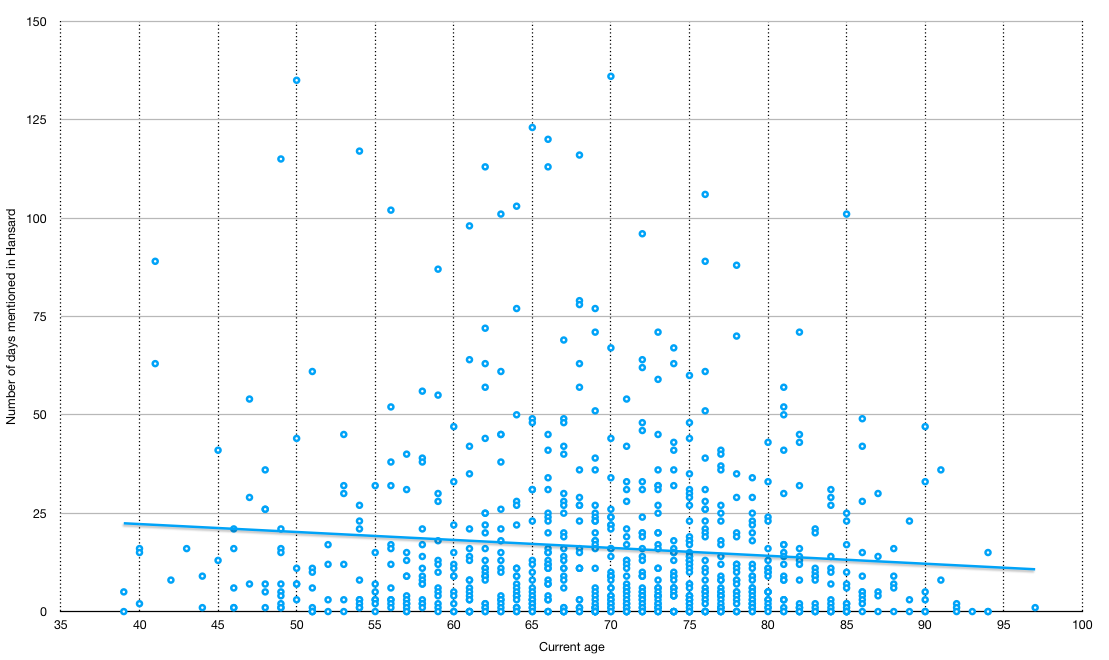
Firstly, let us take a look at the proposal I discussed previously, namely retiring peers on the basis of age. Is there any correlation between age and how often a peer contributes? How much someone contributes to politics is a largely subjective measure, but for the purposes of this discussion I have used the number of days a member is mentioned in Hansard over the last year. The raw number of mentions is a less helpful measure as a few people have over a thousand mentions due to extended back-and-forth discussions in less well-attended debates. (Click for larger versions of the charts)
Age of Peers vs. Number of days contributed
There’s certainly some link between age and contributions, with 90-year-old members of the house understandably contributing less than those in their 40s. But there is no sudden drop-off and it is hard to identify an age at which members are no longer pulling their weight.
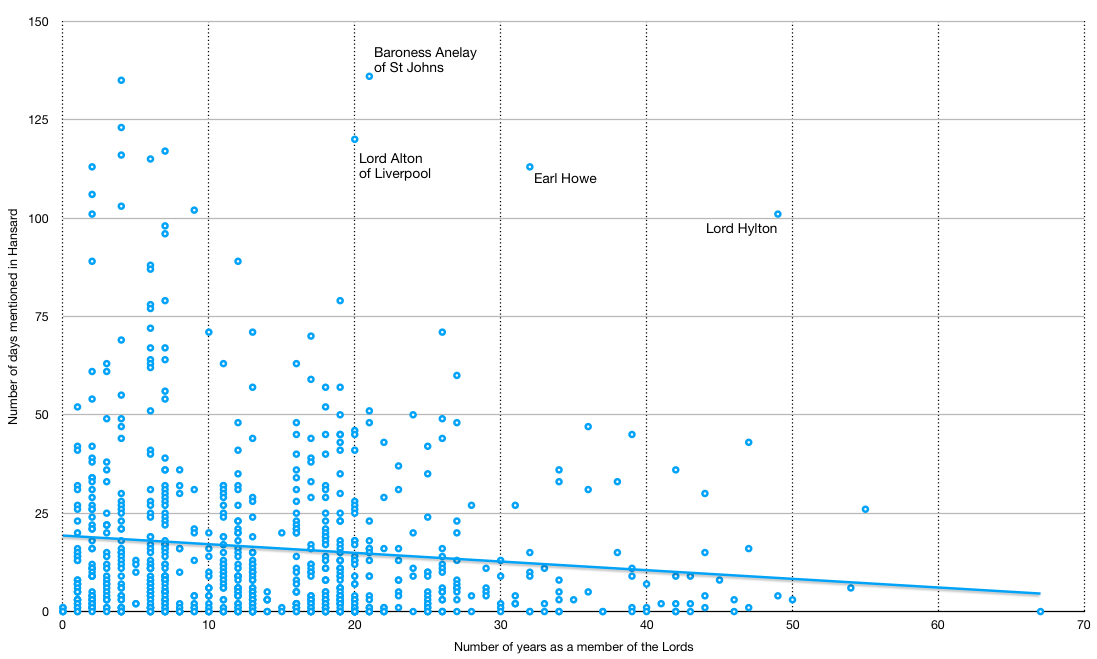
The new proposals do not appear to retire existing life peers, so we would still have the problem I outlined in my previous post about needing members to retire to make more space any time soon. But if this proposal did go ahead, is there any drop off in length of service and contributions?
Length of service for peers vs Days contributed
As we can see, there is definitely a tendency for long-term members to be about less often but perhaps not as much as would be expected, and there is no obvious point at which peers suddenly stop attending. The most prolific Lords tend to be within their first five years but there are plenty of newer peers who don’t contribute as well as a number who manage plenty of engagement – cross-bench peer Lord Hyldon contributing on over 100 days over the last year despite having been a member for nearly five decades stands out, for example.
So it would appear that term limits for peers are not perfect, but a better way of dealing with the excessive number of Members of the House of Lords than mere age.